
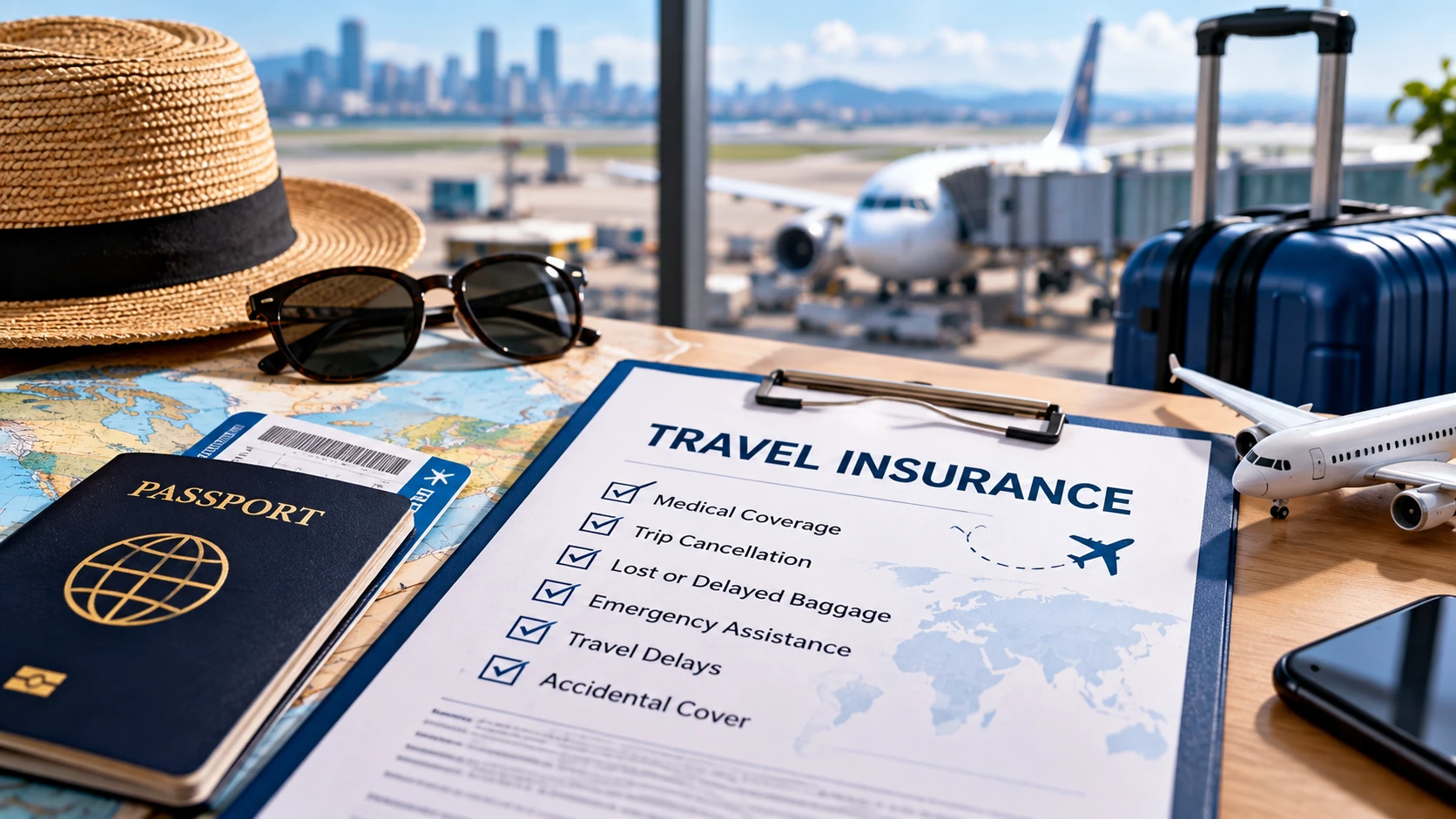
Planning an international trip involves much more than booking flights and choosing hotels. Travelers also need to think about unexpected situations that could affect their plans. A medical emergency, cancelled flight, lost luggage, delayed journey, or other unforeseen event can create significant expenses during a trip.
Understanding what travel insurance covers and when it can be useful can help travelers make more informed decisions before leaving their home country.
What Is Travel Insurance?
Travel insurance is a type of insurance designed to provide financial protection against certain unexpected events that occur before or during a trip. Depending on the policy, it may cover situations such as emergency medical treatment, trip cancellation, travel delays, lost baggage, or other specified problems.
Coverage differs between insurance providers and individual plans, so travelers should carefully review the policy before purchasing it. The cheapest option is not necessarily the one that provides the coverage a particular traveler needs.
Why Is Travel Insurance Important for International Trips?
International travel can involve higher financial risks because travelers are far from home and may face unfamiliar healthcare systems, transportation arrangements, and local procedures.
A sudden medical problem, for example, could require treatment in another country. Depending on the destination and healthcare system, medical expenses can become expensive. Travel insurance with appropriate medical coverage may help reduce the financial burden of eligible expenses.
Medical Emergencies Can Happen Unexpectedly
Even healthy travelers can become sick or injured while traveling. Food-related illness, accidents, injuries, or unexpected medical conditions can interrupt a carefully planned vacation.
Some travel insurance policies provide emergency medical coverage, subject to their terms, exclusions, limits, and deductibles. Travelers should check whether their policy covers hospitalization, emergency treatment, ambulance services, or medical evacuation if these benefits are important for their destination.
Protection Against Trip Cancellation
Travel plans can sometimes change because of unexpected circumstances. Depending on the policy, trip cancellation coverage may reimburse certain prepaid, non-refundable expenses when a covered reason causes the traveler to cancel.
The important point is that cancellation coverage generally applies only to circumstances specifically listed in the policy. Simply changing your mind about traveling may not qualify.
Delays Can Create Additional Costs
Flight and transportation delays can lead to unexpected expenses. A long delay may require travelers to pay for meals, accommodation, transportation, or other necessities.
Some travel insurance plans offer benefits for covered travel delays. Travelers should check the required delay duration, maximum reimbursement, documentation requirements, and other conditions before relying on this coverage.
Lost or Delayed Baggage
Luggage problems are another common concern during international travel. Bags can occasionally be delayed, damaged, or lost during a journey.
Depending on the policy, baggage coverage may provide reimbursement for eligible losses or necessary purchases when baggage is delayed. Travelers should keep receipts and other relevant documentation because claims may require proof of expenses or ownership.
Travel Insurance Is Not the Same for Everyone
Different travelers have different needs. A short vacation, business trip, family holiday, adventure journey, and long international stay may require different types of protection.
Destination is also important. Healthcare costs, transportation arrangements, activities, and local conditions can vary significantly between countries. Travelers should consider their itinerary when reviewing available policies.
Read the Exclusions Carefully
One of the most important steps before purchasing travel insurance is reading the exclusions. An insurance policy does not necessarily cover every possible problem.
Certain pre-existing conditions, high-risk activities, alcohol-related incidents, unattended belongings, travel disruptions, or other situations may have restrictions or exclusions depending on the policy.
Understanding these details before departure can prevent unpleasant surprises when making a claim.
Keep Important Documents Accessible
After purchasing travel insurance, travelers should save their policy documents and emergency contact information somewhere easily accessible. Keeping digital copies on a phone or cloud storage can be useful, while a physical copy can provide a backup.
It is also helpful to understand how the claims process works, including what documents may be required after an incident.
When Should You Buy Travel Insurance?
Travel insurance is generally most useful when purchased early enough to provide relevant pre-trip coverage, particularly for expensive international journeys involving non-refundable bookings.
Waiting until the last moment may limit certain benefits or leave some risks uncovered. Travelers should therefore review their options soon after making significant travel arrangements.
Consider the Cost of the Trip
The value of travel insurance can depend partly on how much money has been committed to the journey. A costly international vacation involving flights, hotels, tours, and prepaid activities may expose a traveler to greater potential financial loss if something unexpected happens.
Travelers should compare the policy’s cost with the expenses they want to protect and the coverage limits offered.
A Small Step Toward a More Prepared Journey
Travel insurance cannot prevent unexpected events, but appropriate coverage can help travelers manage certain financial risks associated with international trips. Medical emergencies, cancellations, delays, and baggage problems are examples of situations that may be covered depending on the policy.
Before purchasing a plan, travelers should compare coverage, limits, exclusions, deductibles, and claim requirements. Taking time to understand the policy can make travel planning more organized and help ensure that the selected protection matches the trip.